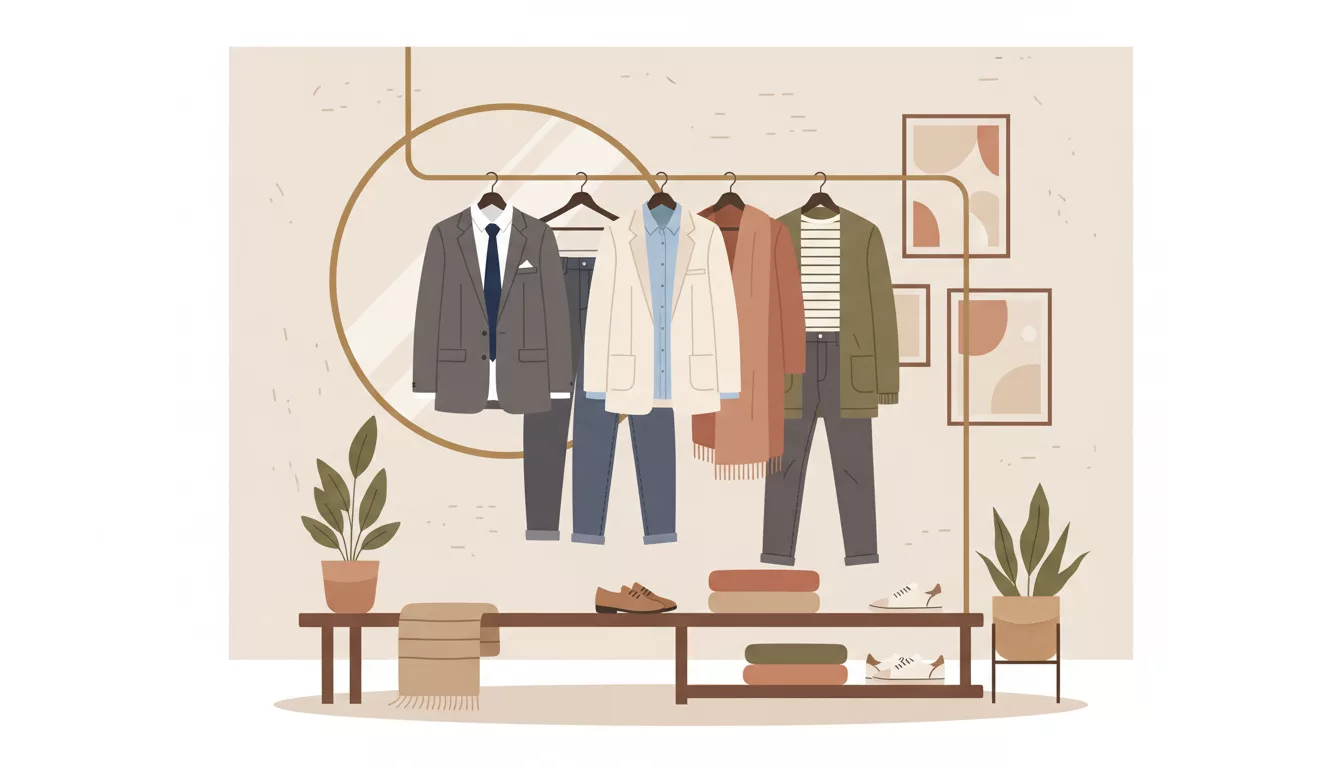
You've landed the interview. Your resume is polished. You've practiced your answers. But then comes the question that trips up more people than "tell me about yourself" — what do I actually wear?
Here's the thing: what you wear to an interview matters more than most people think. A 2024 study from the Journal of Occupational Psychology found that interviewers form appearance-based impressions within the first seven seconds. And those impressions stick. You can't unsay a first impression made by a wrinkled shirt or sneakers at a law firm.
But "dress professionally" is vague advice. A software developer interviewing at a startup and a financial analyst interviewing at Goldman Sachs have completely different wardrobes to plan. So let's get specific.
The Golden Rule: Dress One Level Above the Company Culture
This is the single most useful guideline for interview attire. If employees wear jeans and t-shirts, you wear business casual. If they wear business casual, you wear business professional. You want to signal that you take this seriously without looking like you wandered in from a different industry.
How do you figure out the dress code? A few ways:
- Check the company's website and social media. Team photos, office shots, and "about us" pages usually reveal the vibe.
- Look at employee LinkedIn profiles. Professional headshots can hint at formality level. (Need help with your own profile? Check our LinkedIn profile optimization guide.)
- Ask the recruiter. "Is there a dress code I should be aware of for the interview?" is a perfectly normal question during your phone screen.
- When in doubt, go more formal. Nobody ever lost a job for being overdressed at an interview.
Business Professional: The Traditional Interview Look
Business professional is the safest bet when you're unsure. It's expected in finance, law, consulting, government, healthcare administration, and most corporate environments.
Business Professional for Women
- Suit: A tailored pantsuit or skirt suit in navy, charcoal, black, or dark gray. The jacket should fit your shoulders and close comfortably.
- Blouse: A solid-color button-down or shell top in white, cream, light blue, or a subtle pattern. No plunging necklines.
- Shoes: Closed-toe pumps or flats in black, navy, or nude. Heel height 2-3 inches maximum. You need to walk confidently, not wobble.
- Accessories: Simple jewelry — stud earrings, a watch, maybe a thin necklace. One statement piece is fine; five is a distraction.
- Bag: A structured professional bag or portfolio. Leave the backpack in the car.
Business Professional for Men
- Suit: A well-fitted two-piece suit in navy, charcoal, or dark gray. Black works for law and finance. Make sure the jacket shoulders align with yours and the pants break slightly at the shoe.
- Shirt: A solid white or light blue dress shirt. French cuffs are overkill for most interviews — standard barrel cuffs are fine.
- Tie: A solid or subtly patterned tie that complements (not matches) your suit. Skip the novelty ties.
- Shoes: Leather oxfords or derbies in black or dark brown. Polished. No scuffs.
- Belt: Match your shoe color. Leather, simple buckle.
- Socks: Dark, matching your pants. No white athletic socks. No ankle socks.
Business Casual: The Modern Interview Standard
Most tech companies, marketing agencies, mid-size businesses, and modern startups fall here. Business casual is trickier than business professional because the boundaries are fuzzier. Think "I look put-together but I'm not wearing a full suit."
Business Casual for Women
- Top: A blouse, structured knit top, or button-down. Layering with a cardigan or blazer adds polish.
- Bottom: Tailored pants (chinos, dress pants) or a knee-length skirt. Dark jeans can work at very casual companies, but only if they're clean and fitted.
- Shoes: Flats, low heels, loafers, or clean ankle boots. Avoid open-toed sandals unless the company is truly beach-casual.
- Overall vibe: Polished but approachable. Like you could transition from the interview to a team lunch without anyone blinking.
Business Casual for Men
- Top: A button-down shirt (tucked in) or a fitted polo. A sport coat or blazer optional but adds points.
- Bottom: Chinos or dress pants in khaki, navy, gray, or olive. No cargo pants. No joggers.
- Shoes: Loafers, clean leather sneakers, or brogues. No flip-flops, no running shoes.
- No tie needed. Unless you're interviewing somewhere semi-formal, a tie with business casual can look overdone.
Creative and Casual Industries
Design studios, fashion brands, media companies, and some tech startups have different rules. Here, personality in your outfit can actually help. But "creative" doesn't mean sloppy.
- Show personal style, but keep it intentional. A well-chosen printed shirt or unique accessory signals you get the culture.
- Clean sneakers are fine at many creative companies. Beat-up ones aren't.
- Avoid looking like you're trying too hard. If you never wear a blazer in real life and it shows, skip it.
- The bar is still "I care about this opportunity." Just the expression of caring looks different.
What to Wear to a Virtual Interview
Remote interviews have their own wardrobe considerations. (For a complete rundown on preparing for virtual interviews, including camera setup and platform tips, check our full guide.) Yes, you still need to dress up even though you're at home.
- Dress fully, not just the top half. You might need to stand up to adjust your camera, grab a document, or deal with a doorbell. Getting caught in pajama pants is not recoverable. (For more remote interview tips, see our guide to remote jobs.)
- Solid colors work best on camera. Tiny patterns and stripes can create a moiré effect (that weird shimmering) on video.
- Avoid all white or all black. White can blow out with certain lighting, and black can make you look washed out.
- Check your outfit on camera before the interview. Open your webcam app and see how you actually look. Adjust lighting if needed.
- Jewelry that catches light or makes noise can be distracting on video. Keep it minimal.
Industry-Specific Dress Codes
Finance and Banking
Conservative is king. Dark suit, white or light blue shirt, understated tie. Women should opt for a pantsuit or skirt suit. Some boutique firms and fintech companies are more relaxed, but when in doubt, go traditional. If you're interviewing for a role like accounting, the same rules apply — numbers people dress conservatively.
Law
Similar to finance but sometimes even more conservative. Stick with navy or charcoal suits. Minimal accessories. The legal industry moves slowly when it comes to dress code evolution.
Healthcare
For administrative and corporate healthcare roles, business professional. For clinical positions, you may interview in scrubs or be told to come in business casual. Nursing interviews often specify the expected attire in the invitation email — read it carefully.
Tech
Varies wildly by company. FAANG and large tech companies: business casual is safe. Startups: smart casual (chinos and a nice shirt) often fits. The key is researching the specific company. A software engineering interview at a bank looks very different from one at a 20-person startup.
Education
Business casual to business professional, depending on the institution. Private schools and universities tend to lean more formal. Public schools are often more relaxed. If you're preparing for a teaching interview, aim for polished business casual at minimum.
Retail and Customer Service
Business casual is usually appropriate. If you're interviewing for a luxury brand, match the brand's aesthetic. For general customer service roles or retail management, clean and professional is the standard.
Trades and Skilled Labor
Clean work clothes or business casual. If you're interviewing for an electrician position or similar trade, showing up in a full suit might actually work against you. Clean jeans, a collared shirt, and work boots (clean ones) show you understand the environment.
What NOT to Wear (Ever)
Some things are universally bad ideas, regardless of industry:
- Anything wrinkled or stained. Iron your clothes. Check for stains the night before.
- Strong fragrances. Your interviewer might be in a small room with you for 30-60 minutes. Light fragrance or none.
- Visible undergarments. Check in a mirror — from the front and when sitting down.
- Clothing with logos, slogans, or graphics (unless you're interviewing at that brand).
- Anything too tight or too loose. Fit matters more than brand. A $30 shirt that fits well beats a $200 shirt that doesn't.
- Sunglasses on your head. Leave them in the car.
- Athleisure. Even if the company is casual, save the joggers and hoodies for after you get the job.
Grooming Matters Too
Your clothes are only part of the picture. The details around grooming signal professionalism just as much:
- Hair: Clean and styled. It doesn't need to be conservative — just intentional. A well-maintained colorful hairstyle beats unwashed "natural" hair.
- Nails: Clean and trimmed. Polish is fine if it's not chipped.
- Facial hair: Groomed. A full beard is absolutely fine; a scraggly one isn't.
- Shoes: People notice shoes. Clean them. If they're beat up, replace them or choose different ones.
What About Tattoos and Piercings?
This has changed dramatically in the last decade. Most modern workplaces don't care about visible tattoos or piercings. But some conservative industries (law, finance, government) may still have expectations.
The practical advice: for your first interview, err toward covering tattoos and removing non-traditional piercings if you're unsure about the company culture. Once you get a feel for the environment, you can adjust. It's easier to reveal than to conceal after the fact.
That said — if a company would reject you solely for a forearm tattoo, you probably wouldn't be happy working there anyway. It's a values alignment question as much as a dress code question.
Budget-Friendly Interview Outfits
You don't need to spend a fortune to look professional:
- Thrift stores and consignment shops often have barely-worn professional clothing at a fraction of retail price.
- H&M, Uniqlo, and Target all have affordable professional basics that look much more expensive than they are.
- Borrow from a friend who's your size. Seriously. It's a one-day outfit.
- Focus on fit over brand. A $15 shirt from Target that fits perfectly looks better than a $100 shirt that's too big.
- Build a capsule interview wardrobe: One good pair of pants, two shirts, one blazer, and one pair of shoes covers most situations. Total cost can be under $150 if you shop smart.
Pre-Interview Outfit Checklist
The night before your interview, run through this checklist:
- ☑ Outfit is clean, ironed, and stain-free
- ☑ Shoes are polished and in good condition
- ☑ You've tried the full outfit on and checked yourself in a mirror
- ☑ You can sit comfortably without anything riding up, pulling, or gapping
- ☑ You've checked the weather — do you need a coat that also looks professional?
- ☑ Accessories are subtle and not noisy
- ☑ You have a professional bag or portfolio for your resume copies
- ☑ Hair and grooming are planned
- ☑ For virtual interviews: you've tested your outfit on camera
Looking right for an interview isn't about spending money or following rigid rules. It's about showing the interviewer that you prepared, you pay attention to details, and you understand their world. When your outfit is handled, you can focus on what really matters — telling your story and showing them why you're the right person for the job.
Now go iron that shirt. You've got this.
Keep Reading
- How to Prepare for a Virtual Interview
- How to Answer "Tell Me About Yourself" in a Job Interview
- How to Ace a Phone Interview in 2026
- 35+ Smart Questions to Ask Your Interviewer
- How to Write a Thank You Email After an Interview
- Best Resume Formats for 2026
- How to Prepare for a Group Interview (Panel & Group Formats)