An Honest Look at the CNA and Medical Assistant Career Path
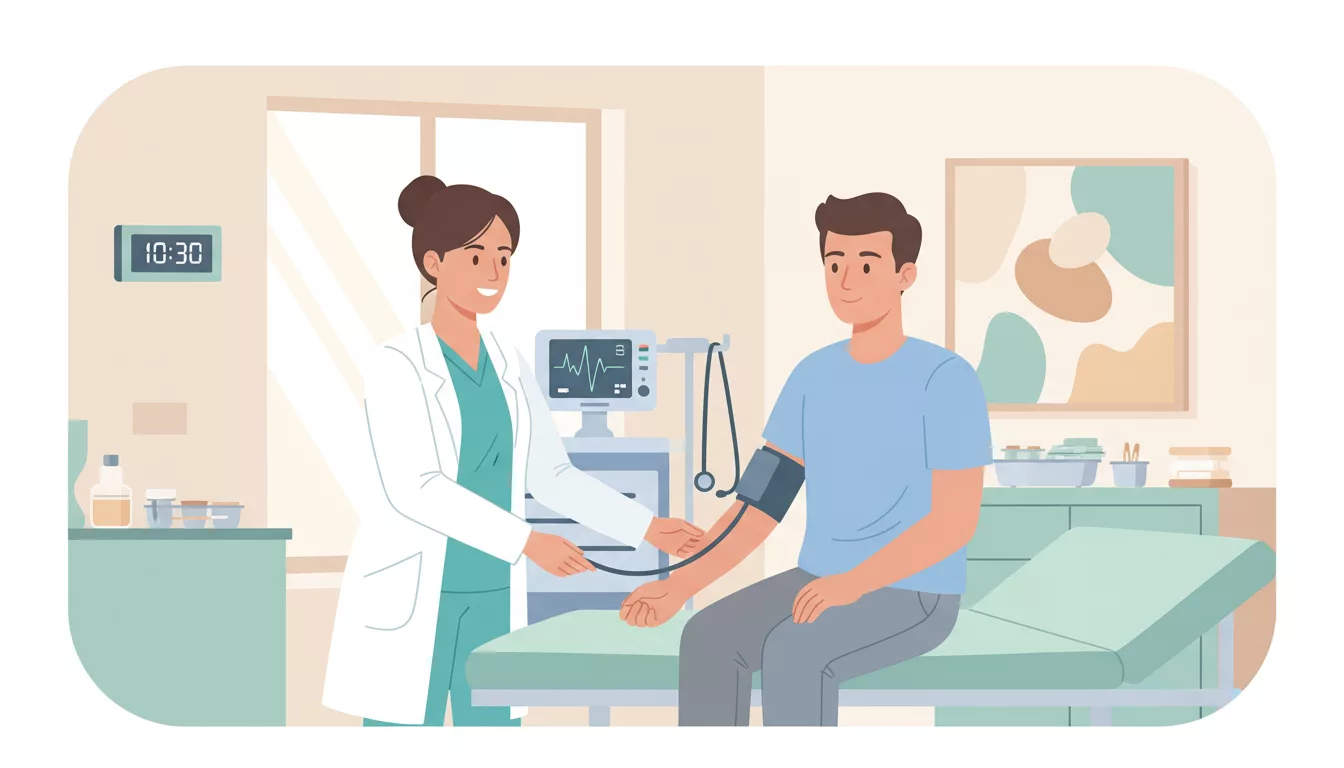
CNAs and medical assistants are the people who keep healthcare running at the ground level. Not the doctors making diagnoses. Not the nurses managing patient care plans. The people who actually take your blood pressure, draw your blood, answer the phone when you call with a question about your prescription, help you get out of bed after surgery, and clean up when things get messy. These roles pay $28,000 to $50,000+ depending on certification, setting, and location - and they're two of the fastest-growing job categories in the country.
Before going further, let's clear up the confusion. CNAs (Certified Nursing Assistants) and Medical Assistants are different jobs. They train differently, work in different settings, and do different things day to day. CNAs work primarily in hospitals, nursing homes, and home health - they help patients with basic needs like bathing, eating, moving around, and going to the bathroom. Medical assistants work primarily in outpatient clinics and physician offices - they room patients, take vitals, draw blood, give injections, and handle administrative work like scheduling and billing. People lump them together because both are entry-level healthcare careers that don't require a four-year degree. But the daily reality of each job is quite different.
The demand is real. The Bureau of Labor Statistics projects both roles growing significantly through 2032 - CNAs at 4% and medical assistants at 14%, well above average. An aging population needs more nursing home care. Primary care clinics are expanding. And the chronic shortage of healthcare workers at every level means employers are raising wages and offering signing bonuses that didn't exist five years ago. COVID exposed how badly these workers were underpaid, and wages have finally started correcting.
But these are demanding jobs that the brochures don't always describe honestly. CNAs lift and transfer patients who weigh twice what they do. Medical assistants juggle 25-30 patients a day while documenting everything in an EHR system that fights them at every click. CNAs deal with death, dementia, and workplace violence. MAs deal with angry patients, insurance denials, and providers who are perpetually behind schedule. This guide covers what both jobs actually involve, how to get trained and certified, what you'll earn, and where each path can lead.
What CNAs and Medical Assistants Actually Do
Certified Nursing Assistant (CNA)
CNAs provide direct patient care under the supervision of licensed nurses. In a nursing home, that means helping residents with activities of daily living - bathing, dressing, toileting, feeding, and repositioning them in bed to prevent pressure ulcers. You'll take vital signs (blood pressure, pulse, temperature, respiratory rate, oxygen saturation), document intake and output, report changes in patient condition to the charge nurse, and answer call lights. In a hospital, you're doing similar work but with patients who are acutely ill or recovering from surgery. Hospital CNAs also handle more frequent vital sign checks, assist with ambulation (getting patients walking after procedures), collect specimens, and help with admissions and discharges. The work is physical, emotional, and often thankless - but patients and their families remember the CNA who was kind when they were scared.
Medical Assistant (Clinical)
Clinical medical assistants are the provider's right hand in outpatient settings. You room patients - walk them back, get their weight, blood pressure, heart rate, and chief complaint documented before the doctor walks in. Depending on the practice, you'll draw blood (phlebotomy), perform EKGs, administer injections and vaccines, assist with minor procedures (wound care, biopsies, cyst removals), remove sutures, apply splints, and perform point-of-care testing like rapid strep and flu swabs. Between patients, you're sterilizing instruments, restocking supplies, and processing lab samples. The pace is fast. A busy primary care clinic sees 25-30 patients per day per provider, and you're responsible for keeping the flow moving.
Medical Assistant (Administrative)
The administrative side of medical assisting involves scheduling appointments, checking patients in and out, verifying insurance eligibility, processing referrals, handling prescription refill requests, managing medical records in the EHR system, coding and billing, and answering phones. In smaller practices, the same person handles both clinical and administrative duties. In larger organizations, these roles are separated. Administrative MAs who learn medical coding and billing well can earn more than their clinical counterparts because the revenue cycle literally depends on them getting claims right.
Home Health Aide / Home Health CNA
Home health work overlaps significantly with CNA duties, but you're doing it in someone's home rather than a facility. You help with bathing, meal preparation, light housekeeping, medication reminders, and companionship. The independence is appealing - no charge nurse looking over your shoulder, no call lights going off constantly. But you're also isolated. There's no team down the hall when a patient falls. You're navigating each client's home environment, which might include stairs, pets, hoarding situations, and family dynamics that range from supportive to hostile. Pay tends to be lower than facility work, but travel time and mileage reimbursement can offset that somewhat.
Specialty Medical Assistant
Medical assistants who work in specialty clinics develop focused skill sets that general practice MAs don't have. Dermatology MAs learn skin biopsy prep, cryotherapy, and phototherapy procedures. Orthopedic MAs apply casts, fit braces, and assist with joint injections. Cardiology MAs run stress tests, apply Holter monitors, and interpret basic EKG rhythms. Ophthalmology MAs perform visual acuity testing, tonometry, and retinal imaging. Specialty MAs typically earn 10-20% more than general practice MAs because the additional skills take time to develop and aren't taught in most training programs.
Education and Training Requirements
Here's where CNAs and MAs diverge sharply. CNA training is fast and regulated. Medical assistant training is longer and - in most states - completely unregulated.
CNAs must complete a state-approved training program (typically 75-180 hours depending on the state, which translates to 4-12 weeks) and pass a state competency exam that includes a written test and a skills demonstration. This is not optional. You cannot work as a CNA without passing your state's certification exam and being listed on the state nurse aide registry. Many nursing homes and hospitals offer free CNA training because they're desperate for staff - you train for free, pass the exam, and start working immediately.
Medical assistants have no federal certification requirement, and most states don't regulate the profession at all. Technically, a physician can hire anyone off the street, train them in-house, and call them a medical assistant. But in practice, most employers want to see completion of an accredited MA program and at least one national certification (CMA, RMA, or CCMA). The better the program and certification, the better the starting pay and the wider the job options. Some states - like Washington, California, and New Jersey - have specific scope-of-practice laws for MAs that affect what tasks they can perform.
Training Paths Compared
| Path | Duration | Cost | Starting Pay Range | Best For |
|---|---|---|---|---|
| CNA Training Program | 4-12 weeks | $500-$2,000 | $28,000-$35,000 | Fastest entry into healthcare, testing the waters |
| Employer-Sponsored CNA Training | 4-8 weeks | Free | $26,000-$32,000 | Those who need income immediately, career changers |
| MA Certificate Program | 9-12 months | $3,000-$15,000 | $30,000-$38,000 | Direct path to clinical and administrative MA work |
| MA Associate Degree (AAS) | 2 years | $6,000-$20,000 | $33,000-$42,000 | Those wanting a degree that transfers, broader opportunities |
CNA Training Programs
CNA programs are offered at community colleges, vocational schools, Red Cross chapters, and many healthcare facilities directly. The curriculum covers basic nursing skills, infection control, patient rights, communication, body mechanics, vital signs, personal care, nutrition, and mental health basics. The clinical component puts you in a real healthcare facility under supervision. After completing the program, you take your state's nurse aide competency evaluation - usually a written portion (60-100 questions) and a skills test where you demonstrate 3-5 randomly selected procedures (hand washing, taking blood pressure, making an occupied bed, etc.). Pass rates vary by state but generally range from 75-90% on the first attempt.
Employer-Sponsored CNA Training
Many nursing homes and some hospitals will pay for your CNA training in exchange for a commitment to work at their facility for 6-12 months after certification. This is the lowest-risk entry point into healthcare - you spend nothing out of pocket, you're earning within weeks, and you get your certification. The trade-off is that you're locked into that employer for the commitment period (or you may have to repay training costs), and these facilities are sometimes desperate for staff because the working conditions are challenging. But it's a legitimate path that puts zero financial burden on you.
MA Certificate Programs
Certificate programs at vocational schools and community colleges run 9-12 months and cover both clinical skills (phlebotomy, injections, EKGs, vital signs, specimen collection) and administrative skills (medical terminology, coding basics, EHR systems, insurance processing). Look for programs accredited by CAAHEP (Commission on Accreditation of Allied Health Education Programs) or ABHES (Accrediting Bureau of Health Education Schools) - accreditation matters because it's required to sit for the CMA exam through AAMA. Programs vary wildly in quality. The $15,000 for-profit school down the street might not be any better than the $4,000 community college program. Research completion rates, certification pass rates, and employer partnerships before enrolling.
MA Associate Degree
A two-year AAS in Medical Assisting includes everything the certificate program covers plus general education credits (English, math, psychology, anatomy and physiology). The practical advantage is that many employers consider the degree when deciding starting pay, and the general education credits transfer if you decide to pursue nursing or health information management later. Community college AAS programs are usually the best value - lower tuition than for-profit schools, the same quality of clinical training, and a credential that carries weight.
Certifications That Matter
| Certification | Issuing Body | Requirements | Career Impact |
|---|---|---|---|
| CNA State Certification | State Board of Nursing | Complete approved program, pass state exam | Legally required to work as a CNA |
| CMA (Certified Medical Assistant) | AAMA | Graduate CAAHEP/ABHES accredited program, pass exam | Gold standard for MAs - highest starting pay, most respected |
| RMA (Registered Medical Assistant) | AMT | Graduate accredited program OR 5 years experience, pass exam | Widely recognized, alternative to CMA |
| CCMA (Certified Clinical Medical Assistant) | NHA | Complete training OR 1 year experience, pass exam | Good entry-level credential, accepted by most employers |
| NCMA (National Certified Medical Assistant) | NCCT | Complete training OR 2 years experience, pass exam | Less widely known but valid certification |
| BLS/CPR | American Heart Association | Complete course, pass skills check | Required by virtually every healthcare employer |
| CPT (Certified Phlebotomy Technician) | NHA or ASCP | Complete phlebotomy training, pass exam | Higher pay, more clinical responsibility, opens lab jobs |
| CET (Certified EKG Technician) | NHA | Complete EKG training, pass exam | Valuable in cardiology, internal medicine, urgent care |
| CMAA (Certified Medical Administrative Assistant) | NHA | Complete training, pass exam | Proves administrative competence, good for front-office roles |
For CNAs, certification isn't optional - it's the law. You must pass your state exam and maintain your registry listing (most states require continuing education and employment within a certain period to stay active). For medical assistants, certification is technically optional in most states, but skipping it is a mistake. Certified MAs earn $2,000-$5,000 more per year on average, have more job options, and are taken more seriously by providers. The CMA through AAMA is considered the strongest credential, but it requires graduating from an accredited program. If your program wasn't accredited, the RMA (AMT) or CCMA (NHA) are solid alternatives. Adding phlebotomy and EKG certifications on top of your base MA credential makes you significantly more marketable.
Specializations Compared
| Specialization | Pay Range | Demand | Physical Demand | Entry Barrier |
|---|---|---|---|---|
| Long-Term Care CNA | $28,000-$38,000 | Very High | Very High | Low |
| Hospital CNA | $32,000-$42,000 | High | High | Low-Medium |
| Home Health CNA/Aide | $26,000-$36,000 | Very High | Moderate-High | Low |
| Primary Care MA | $32,000-$42,000 | Very High | Moderate | Medium |
| Specialty Clinic MA | $36,000-$48,000 | High | Low-Moderate | Medium-High |
| Surgical/Procedural MA | $38,000-$50,000 | Medium-High | Moderate | High |
| Administrative MA | $30,000-$40,000 | High | Low | Medium |
| Pediatric MA | $32,000-$44,000 | High | Moderate | Medium |
Salary Progression: Year by Year
The medical assistant salary guide and nursing salary guide cover current ranges in detail. Here's how the progression typically looks:
| Stage | Years | Typical Annual Pay | What's Happening |
|---|---|---|---|
| Entry-Level CNA | 0-1 | $26,000-$32,000 | Learning facility routines, building patient care skills. Getting comfortable with the physical demands. |
| Experienced CNA | 1-3 | $30,000-$38,000 | Faster, more confident. Taking on harder assignments. Considering specialization or advancement. |
| Entry-Level MA | 0-1 | $30,000-$36,000 | Learning the clinic flow, building phlebotomy and EKG confidence. Getting faster with documentation. |
| Experienced MA | 2-5 | $36,000-$45,000 | Trusted to manage patient flow independently. Handling complex procedures. May be training new hires. |
| Specialized/Certified MA | 3-7 | $40,000-$50,000 | Working in a specialty, multiple certifications. Strong clinical and administrative skills. |
| Lead / Senior MA | 5-10 | $42,000-$55,000 | Supervising other MAs, managing clinical workflows, quality improvement projects. |
| Office Manager | 5-10+ | $45,000-$65,000 | Running the practice operations - staffing, budgets, compliance, vendor management. |
| CNA to LPN Bridge | 2-4 | $42,000-$55,000 | Completed LPN program. Medication administration, more autonomous patient care. |
| CNA/MA to RN | 3-6 | $55,000-$80,000+ | Completed ADN or BSN. Full nursing scope of practice. Significant pay increase. |
A note on wage growth: Both CNA and MA wages have increased faster than inflation since 2020. The pandemic exposed how critically understaffed healthcare facilities were, and many employers responded with higher base pay, shift differentials, and signing bonuses. Hospital CNAs in metro areas can now earn $18-22/hour. MAs in specialty clinics are seeing $20-25/hour. These aren't outliers anymore - they're becoming the new normal in competitive markets.
Day in the Life: Medical Assistant at a Family Medicine Clinic
Here's what a typical Wednesday looks like for a clinical MA at a busy family practice with three providers:
| Time | Activity |
|---|---|
| 7:30 AM | Arrive at the clinic. Boot up computers, check the schedule - 28 patients on your provider's template today. Stock exam rooms with gowns, table paper, alcohol swabs, bandages, and specimen cups. Pull up the first three charts to review chief complaints and any needed labs. |
| 8:00 AM | First patient: 62-year-old woman for diabetes follow-up. Weight, blood pressure (138/84 - note it's elevated), pulse, temperature, glucose check. Document current medications and any new complaints. She mentions tingling in her feet. Note it for the provider. |
| 8:20 AM | Room the second patient while the provider sees the first. 8-year-old boy for a sports physical. Height, weight, vision screening, blood pressure. Mom mentions he hasn't had his Tdap booster. Pull the vaccine from the fridge, check the lot number, prepare the injection for after the provider's exam. |
| 8:45 AM | Give the Tdap injection, document it in the immunization registry, print the updated shot record for mom. Room the next patient - a 45-year-old man with a laceration on his forearm from a box cutter at work. Set up the suture tray, clean the wound with saline, and apply a sterile drape. Assist the provider during the repair by holding retraction, cutting sutures, and applying the dressing. |
| 9:30 AM | Three patients backed up in the waiting room. Quick-room two of them - vitals and chief complaints documented, gowns on, waiting for the provider. Draw a fasting lipid panel on the third patient. Label tubes, centrifuge the specimen, log it for pickup by the reference lab courier. |
| 10:15 AM | Phone triage. Patient calling about a rash that started yesterday - describe it, any fever, any new medications? Protocol says she can be seen as a same-day add-on. Squeeze her into the 11:30 slot. Another call - prescription refill request for lisinopril. Check the chart, route the request to the provider for approval. |
| 10:45 AM | Run an EKG on a 55-year-old man with chest tightness. Mount the 12-lead tracing, hand it to the provider. Provider reviews it - no acute changes, but orders a stress test referral. You'll process that paperwork later. |
| 11:15 AM | Walk-in urgent patient - 30-year-old woman with possible UTI. Quick vitals, collect a urine specimen, run a dipstick urinalysis. Positive for leukocytes and nitrites. Document results for the provider. |
| 12:00 PM | Lunch break - 30 minutes. Eat at your desk while restocking supplies that ran low during the morning. Autoclave the instruments from the laceration repair. |
| 12:30 PM | Afternoon patients start. First up: well-child visit for a 4-year-old. Height, weight, developmental screening questionnaire for mom to fill out. Three vaccines due - DTaP, IPV, and flu. Prepare all three, give them after the provider's exam (two in the thighs, one in the arm). Comfort the crying child, apply bandaids, give a sticker. |
| 1:30 PM | Assist with a skin biopsy. Prep the site with betadine, draw up lidocaine for the provider, hand instruments during the punch biopsy, place the specimen in formalin, label it, complete the pathology requisition. Apply pressure and a bandage. Give wound care instructions. |
| 2:15 PM | Room three more patients in quick succession. Annual physical, medication follow-up, and a sore throat. The sore throat gets a rapid strep test - positive. Provider prescribes amoxicillin, you e-prescribe it to the pharmacy and give the patient aftercare instructions. |
| 3:00 PM | Lab result follow-up calls. Call four patients with normal results - quick conversations. Call one patient whose A1C came back at 9.2 - provider wants to schedule her for a diabetes education appointment and adjust her medication. That's a longer conversation. |
| 3:30 PM | Process the stress test referral from this morning, two specialist referrals, and a prior authorization for a medication the insurance company won't cover without jumping through hoops. The prior auth requires digging through the chart for documented treatment failures. This takes 20 minutes. |
| 4:15 PM | Last patients of the day. Room them, assist as needed, document everything. Start cleaning and restocking exam rooms between patients. |
| 4:45 PM | End-of-day tasks. Restock all rooms, wipe down surfaces, run the autoclave, check the vaccine refrigerator temperatures and log them, prepare lab specimens for the last courier pickup, make sure all charts are closed and signed off. |
| 5:00 PM | Clock out. You roomed 26 patients today, gave 7 injections, drew 4 blood specimens, ran 2 EKGs, assisted with 2 procedures, and made 12 phone calls. Tomorrow is the same thing with a completely different set of problems. |
The Physical and Emotional Reality
Healthcare support roles are rewarding, but they take a toll that doesn't show up on job postings. Here's what you're actually signing up for:
- On your feet all day - CNAs in nursing homes walk 4-6 miles per shift. Hospital CNAs can log even more. MAs in busy clinics are constantly moving between exam rooms, the lab, the supply closet, and the front desk. Good shoes aren't optional - they're survival equipment.
- Lifting and transferring patients - This is primarily a CNA concern. Helping a 250-pound stroke patient transfer from bed to wheelchair requires proper body mechanics, and even with perfect technique, the repetitive strain adds up. Back injuries are the #1 reason CNAs leave the profession. Use mechanical lifts when available, ask for help, and don't be a hero.
- Exposure to body fluids and infectious diseases - Blood, urine, feces, vomit, wound drainage - you'll encounter all of them regularly. Standard precautions (gloves, hand hygiene, sometimes gowns and masks) are non-negotiable. You'll be exposed to patients with MRSA, C. diff, influenza, COVID, TB, and whatever else walks through the door. Vaccination, proper PPE, and rigorous hand hygiene are your protection.
- Emotional toll - CNAs in long-term care build relationships with residents who decline and die. You'll care for someone for months or years, then come in one morning to find their room empty. Hospital CNAs see traumatic injuries, codes, and families receiving devastating news. MAs deal with anxious patients, difficult diagnoses, and the weight of being the person who draws blood from a crying child. The emotional labor is real, and few training programs prepare you for it.
- Workplace violence - Particularly in long-term care and hospitals. Patients with dementia may hit, kick, bite, or scratch. Psychiatric patients can be unpredictable. Family members who are stressed and scared sometimes direct their anger at the person closest to the patient - you. Learning to de-escalate and knowing your facility's safety protocols matters.
- Repetitive strain - MAs who do extensive EHR documentation develop wrist and hand problems. CNAs who lift repetitively develop shoulder and back issues. Taking breaks, stretching, and using ergonomic equipment helps but doesn't eliminate the risk.
- Shift work - CNAs in hospitals and nursing homes work 8 or 12-hour shifts, including nights, weekends, and holidays. Someone has to care for patients on Christmas morning. MAs in outpatient clinics generally work Monday-Friday daytime hours, which is one of the significant quality-of-life advantages of the MA path.
- Pace and volume - A busy primary care MA might room 25-30 patients per day while handling phone calls, lab processing, and administrative tasks between patients. The multitasking never stops, and falling behind means the waiting room fills up and patients get angry.
Getting Started: A Realistic 6-Step Plan
Step 1: Choose Your Path - CNA vs. MA (Weeks 1-2)
Ask yourself what appeals to you. If you want to work closely with patients on basic care - helping them eat, bathe, move, and feel comfortable - and you're okay with the physical demands, the CNA path gets you into healthcare in weeks, not months. If you prefer a mix of clinical skills (blood draws, injections, EKGs) and administrative work in an outpatient clinic with regular hours, the MA path is a better fit. If you're not sure, starting as a CNA makes sense - it's fast, cheap, and gives you real patient care experience that helps you decide whether healthcare is right for you before investing in a longer MA program. Many MAs started as CNAs.
Step 2: Enroll in a Training Program (Month 1)
For CNA: Find a state-approved program at a community college, vocational school, or healthcare facility. Check your state's nurse aide registry website for approved programs. Many nursing homes offer free CNA training - call the facilities in your area and ask. Red Cross chapters in some states also offer affordable CNA courses. For MA: Look for CAAHEP or ABHES-accredited programs at community colleges first (best value), then vocational schools. Avoid for-profit schools charging $15,000+ for the same content a community college teaches for $4,000. Check completion rates and certification pass rates before enrolling.
Step 3: Get Certified (Upon Completion)
For CNA: Schedule your state competency exam as soon as you complete your program. Practice the skills you'll be tested on - hand washing, blood pressure measurement, making an occupied bed, positioning patients, and range-of-motion exercises. The written portion covers basic nursing concepts. Study seriously - interview preparation resources can help you understand the types of clinical scenarios you'll face. For MA: Register for the CMA (if you graduated from an accredited program), RMA, or CCMA exam. Study guides from the certifying bodies are worth purchasing. The CMA exam has approximately 200 questions covering general, administrative, and clinical domains.
Step 4: Land Your First Position
For CNAs, the job market is wide open. Nursing homes, hospitals, home health agencies, rehabilitation centers, and assisted living facilities are hiring constantly. Apply to multiple facilities, but be strategic - hospital CNAs generally earn more and gain broader experience than nursing home CNAs, though nursing homes hire more readily with no experience. For MAs, apply to physician offices, urgent care clinics, community health centers, specialty practices, and hospital-based clinics. Effective job search strategies include applying directly through health system career portals rather than just job boards. Starting with no experience is normal in both roles - that's what the training was for.
Step 5: Add Credentials (Year 1-2)
Once you're working, stack additional certifications. MAs should add phlebotomy (CPT) if their program didn't include it, EKG certification (CET), and possibly medical administrative assistant (CMAA) credentials. CNAs should consider medication aide certification (available in some states, allows you to administer medications), which opens higher-paying positions. Both roles benefit from wound care, IV therapy (where scope allows), and electronic health records training. Every additional credential increases your value and your pay. The NHA offers multiple stackable certifications that can be completed while working.
Step 6: Plan Your Advancement (Year 2+)
Don't stay in entry-level roles forever. Map out where you want to be in 5 years. If nursing appeals to you, start prerequisite courses for an LPN or RN program - many community colleges offer evening and weekend options designed for working healthcare professionals. If management interests you, pursue the lead MA or office manager track. If you enjoy administrative work, look into medical coding certification (CPC or CCS) - coders earn $45,000-$60,000+ and can work remotely. The key is to be intentional. Without a plan, it's easy to spend a decade at the same pay rate doing the same work while your peers advance.
Career Advancement: Where Do You Go From Here?
CNA to LPN (Licensed Practical Nurse)
LPN programs run 12-18 months at community colleges and vocational schools. LPNs earn $42,000-$55,000 and have a significantly broader scope of practice - medication administration, wound care, IV therapy, and more independent patient assessment. Many programs give credit for CNA experience and training. The transition from CNA to LPN is the single most common advancement path, and it roughly doubles your earning potential. Some employers offer tuition assistance for CNAs pursuing LPN licensure.
CNA/MA to RN (Registered Nurse)
This is the big jump. An ADN (Associate Degree in Nursing) takes 2 years; a BSN (Bachelor of Science in Nursing) takes 4 years (or 2-3 if you already have non-nursing college credits). Registered nurses earn $55,000-$80,000+ with far more career options - ICU, ER, OR, oncology, pediatrics, public health, administration, education, advanced practice. Your CNA or MA experience gives you a significant advantage in nursing school because you already understand patient care, medical terminology, and clinical workflows. Many nursing programs value healthcare experience in admissions decisions.
MA to Office Manager
Office managers run the day-to-day operations of physician practices - scheduling, staffing, vendor management, compliance, billing oversight, and patient relations. The transition happens naturally for MAs who show organizational and leadership skills. Pay ranges from $45,000-$65,000 depending on practice size and location. Some offices require a healthcare administration certificate or business coursework, but many promote internally based on demonstrated competence.
MA to Practice Administrator
A step above office manager, practice administrators handle strategic planning, financial management, human resources, regulatory compliance, and growth initiatives for larger medical practices. This role typically requires a bachelor's degree in healthcare administration or business, and pays $60,000-$90,000+. It's a realistic long-term goal for MAs who invest in formal education while working.
MA to Health Information Technician
Health information technicians manage medical records systems, ensure data quality, code diagnoses and procedures for billing, and handle privacy compliance. The RHIT (Registered Health Information Technician) credential from AHIMA requires an associate degree in health information technology. Pay ranges from $40,000-$55,000, with potential for remote work that clinic-based MA roles don't offer.
MA to Patient Care Coordinator
Patient care coordinators manage complex patients - those with chronic diseases, multiple specialists, or challenging social situations. You coordinate between providers, schedule follow-ups, arrange referrals, ensure medication adherence, and serve as the patient's primary point of contact. This role requires strong organizational and communication skills and pays $38,000-$50,000. It's less physically demanding than clinical MA work and appeals to those who enjoy the relationship-building side of healthcare.
Transition to Related Fields
Healthcare experience transfers to several adjacent careers: medical coding and billing (CPC certification, $45,000-$65,000, often remote), health insurance claims processing, pharmaceutical sales representative, public health program coordination, healthcare IT support, clinical research coordinator, and medical device sales. A career change at 30 or 40 is absolutely doable - your clinical background gives you credibility and knowledge that people entering these fields from scratch don't have.
7 Common Mistakes New CNAs and MAs Make
1. Skipping Certification (MAs Especially)
Just because your state doesn't legally require MA certification doesn't mean you should skip it. Uncertified MAs earn less, have fewer job options, and get passed over for promotions in favor of credentialed colleagues. Spend the time and money to get certified - CMA, RMA, or CCMA. It pays for itself within the first year through higher wages.
2. Not Specializing
General practice experience is valuable early on, but staying as a generalist forever limits your earning potential. MAs who develop specialty skills (dermatology procedures, orthopedic casting, cardiology testing) earn 10-20% more than those who don't. CNAs who specialize in rehabilitation, hospice, or acute care can differentiate themselves. Find what interests you and go deep.
3. Staying at a Bad Facility Too Long
Some nursing homes are perpetually understaffed, poorly managed, and treat their CNAs as disposable. Some clinics have toxic providers who berate their MAs. Life is too short and the job market is too hot to stay somewhere that burns you out. If you've given a workplace a fair chance and it's not improving, start looking. The demand for both CNAs and MAs means you have options.
4. Ignoring Body Mechanics (CNAs)
Your back is your career. One bad lift can end it. Use mechanical lifts when they're available. Ask for help with heavy patients. Bend at the knees, not the waist. Position the bed at the right height before transferring. Don't let the culture of "just get it done" pressure you into unsafe patient handling. The 30 seconds it takes to get a coworker to help is worth more than the months of physical therapy you'll need after a herniated disc.
5. Not Planning Beyond the Current Role
Both CNA and MA roles are excellent entry points into healthcare, but they were never designed to be lifetime careers at entry-level pay. Have a plan - LPN program, RN program, coding certification, office management track, specialty certification. Start working toward it within your first year. Many employers offer tuition reimbursement that you're leaving on the table if you don't use it. The people who advance are the ones who decided to advance before the opportunity appeared.
6. Undervaluing Administrative Skills
Clinical skills get the glory, but MAs who understand medical coding, billing, insurance verification, and practice management software are often more valuable than those who can only do clinical work. Employers need people who can work both sides of the office. Administrative competence also opens the office manager and practice administrator career tracks, which pay significantly more than clinical MA work. Don't treat the admin side of your training as filler.
7. Burning Out Without Asking for Help
Healthcare burnout is real, especially in high-volume settings. The emotional weight of patient care, combined with physical demands and sometimes inadequate staffing, wears people down. The turnover rate for CNAs is over 50% annually in many facilities. If you're struggling, talk to someone - a supervisor, an EAP counselor, a colleague who understands. Adjust your schedule if possible. Consider switching settings (hospital to clinic, long-term care to home health) before quitting the field entirely. Sometimes the job isn't the problem - the specific workplace is.
Career Outlook: Is It Worth It?
Both CNA and medical assistant roles are projected to grow faster than the national average through 2032. The math is straightforward: the U.S. population is aging, chronic disease rates are rising, primary care is expanding, and there aren't enough healthcare workers at any level. The pandemic accelerated trends that were already underway - higher wages, better benefits, and more respect for the people who do the hands-on work of healthcare.
For medical assistants specifically, the growth is being fueled by the shift from hospital-based care to outpatient settings. More care is being delivered in clinics, urgent care centers, and physician offices, and all of those settings need MAs to function. Telehealth has created new roles for MAs as "virtual care assistants" who manage the tech side of remote appointments, coordinate follow-up care, and handle the documentation that telehealth visits generate.
For CNAs, the picture is more complicated. Demand in long-term care (nursing homes and assisted living) is enormous, but so is turnover. Facilities that don't pay competitive wages or maintain safe staffing ratios will continue to hemorrhage workers. The good news is that the facilities willing to pay well and treat their staff decently are attracting talent, and government funding through Medicaid is slowly increasing to support higher CNA wages. Hospital CNA positions are more competitive but offer better pay and working conditions.
The biggest advantage of starting as a CNA or MA is optionality. You're not locked in. You're testing healthcare, building experience, earning an income, and keeping every door open. The CNA who discovers a passion for patient care can become an RN. The MA who loves the business side of medicine can become a practice administrator. The one who decides healthcare isn't for them has transferable skills in customer service, data management, and clinical knowledge that apply to dozens of other fields.
Curious what the day-to-day actually looks like? Our day in the life of a CNA and medical assistant walks through a real shift hour by hour.
For someone entering either role today with proper certification, a willingness to specialize, and a plan for advancement, the healthcare career path offers strong job security, rising wages, meaningful work, and a clear ladder to higher-paying positions. It won't make you rich on day one. But it will put you in an industry that will need you for decades - and that's worth something in a world where entire industries can disappear in a few years.